
Servant of the Lake Ending Scene Analysis
Review the departure and cave scenes, with James's unnamed destination and elixir interpretation kept within the evidence.
This guide contains ending spoilers.
James and the Elixir: What the Ending Establishes
Ending spoilers. The inspected sources show James leaving the estate in the coachman’s carriage, but they do not name where he is taken. The scenes also do not explain a general rule that lets the elixir choose who lives or dies.
Loading the video connects to YouTube. Reading the guide does not require playback.
 🔍 Enlarge Clue
Where was James sent?
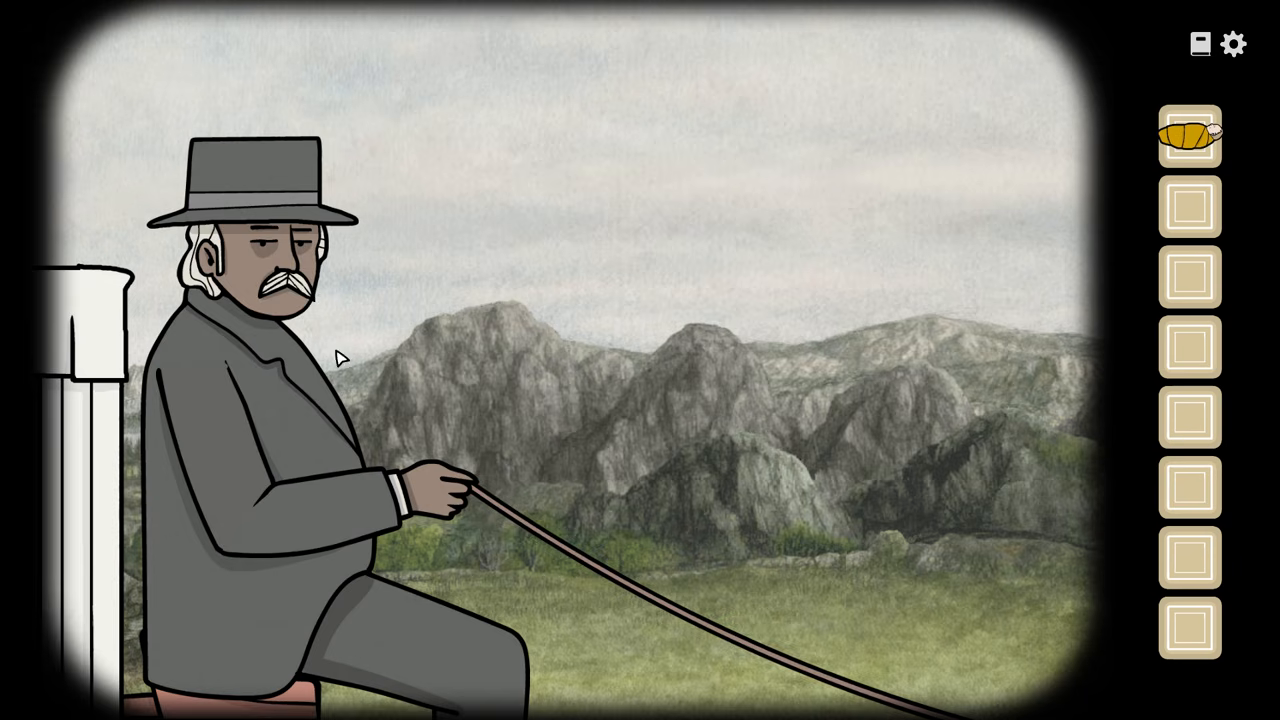
In The Departure, the player retrieves James from the cave and exits with him. The last carriage scene shows the coachman ready to leave, and the route ends with the baby handed over before the curtains close. No place name or later home appears in the inspected scene, so a specific destination would go beyond the evidence.
The final conversation asks that James be protected and describes him as family legacy. That establishes why the handoff matters to the characters, but it still does not say where the coachman will take him or who will raise him afterward.
How does the elixir decide who lives and dies?
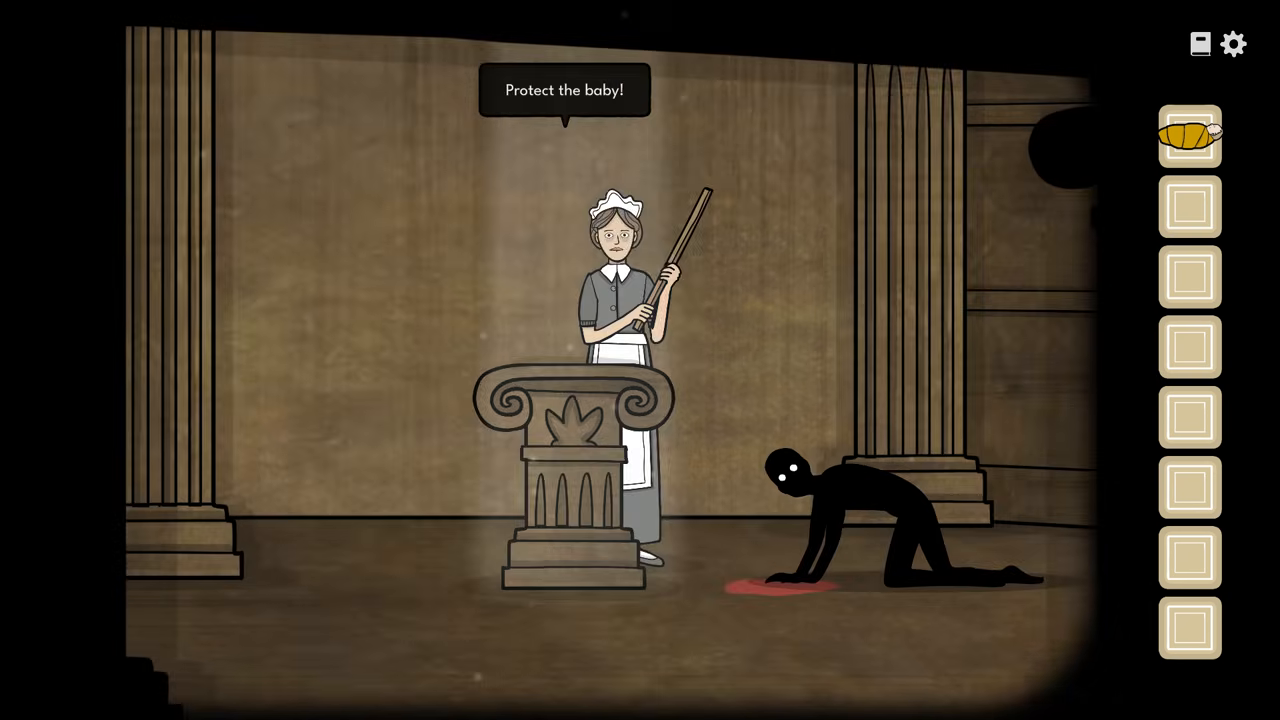
The main story identifies the elixir as life-and-death research and ends with a confrontation over who will use it. The cave scene shows Kate protecting James while a shadow figure approaches; the dialogue urges the servant to protect the child and leave. These events explain why the elixir matters to the characters, but they do not state a formula for selecting recipients or promise the same outcome for every use.
 🔍 Enlarge Clue
One broader analysis interprets immortality as a trap that binds its seekers to the lake. Keep that as a theory from cross-game interpretation: the inspected ending does not confirm a universal elixir mechanism, and it does not settle every character’s later fate.